For parents & teachers
How Coloring Builds Fine Motor Skills (Ages 2 to 8)
Coloring is more than a quiet activity. Here is how it strengthens the small hand muscles children need for writing, what to expect at each age, and simple ways to make coloring practice fun.
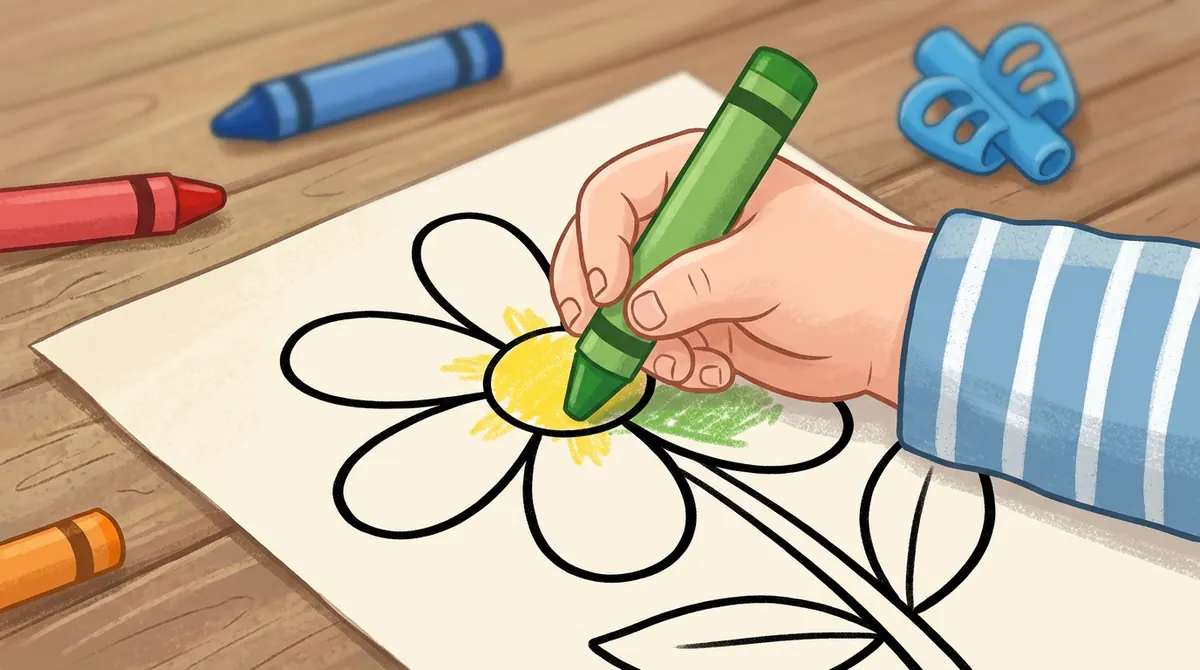
When a child sits down with a coloring page, it looks like a simple, quiet activity. But behind those crayon strokes, a lot is happening. Your child is training the small muscles in their fingers, hands and wrists, learning to make their eyes and hands work together, and practicing the control they will need to hold a pencil and write. This article explains how coloring builds these skills, what is typical at each age, and how to help without turning it into homework.
What are fine motor skills?
Fine motor skills are the small, careful movements we make with our fingers and hands. Buttoning a coat, picking up a raisin, turning a page and writing your name all use them. They depend on strong little muscles, steady wrists and good hand-eye coordination, which means the eyes and hands working as a team.
Children build these skills slowly through play. Coloring is one of the easiest and cheapest ways to give them lots of practice, because it is fun enough that children want to keep going.
How coloring helps
- Grip strength. Holding a crayon and pressing hard enough to make color builds strength in the fingers and the small muscles of the hand.
- Pencil grip. Over time, children move from holding a crayon in a fist to holding it between the thumb and fingers, the same grip they will use for writing.
- Control. Staying inside the lines teaches children to start, stop and change direction on purpose.
- Hand-eye coordination. The eyes guide the hand toward an edge and tell it when to slow down.
- Using both hands. One hand colors while the other holds the paper still, which is an important skill called bilateral coordination.
- Focus and patience. Finishing a page takes attention, a skill that helps in school too.
What to expect at each age
Every child develops at their own pace, so use these as rough guides, not deadlines.
Ages 2 to 3
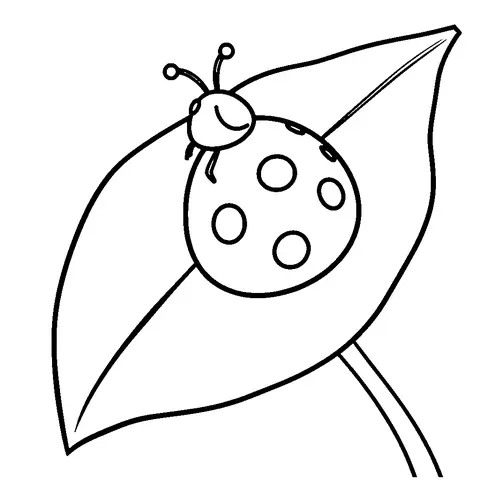
Most toddlers hold a crayon in their whole fist and scribble with big arm movements. That is exactly right. Scribbling builds shoulder and arm strength, which comes before finger control. Choose thick crayons and very simple pages with one big shape, like a single animal or ball. Do not worry about the lines yet.
Ages 3 to 4
Children start holding crayons with their fingers instead of a fist and can make circles and lines on purpose. They begin to color mostly inside large shapes, though they will still go over the edges. Pages with bold outlines and large spaces work best.
Ages 4 to 5
Many children now use a more mature grip, often holding the crayon between the thumb and two fingers. They can color smaller areas, try to stay in the lines and choose colors on purpose. By around age four, the CDC milestone checklists note that many children can draw a person with a few body parts.
Ages 6 to 8
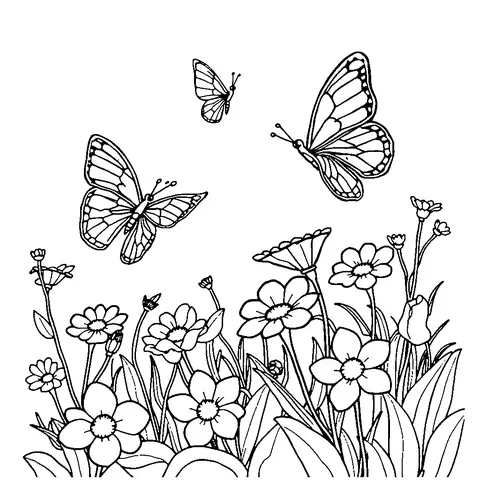
School-age children can handle detailed pages, colored pencils and patterns. They can shade lightly or press hard, blend colors and work on a page for a longer time. This is a great age for more complex designs such as mandalas and scenes.
Tips to make coloring practice fun
- Match the page to the hand. Simple pages with thick lines for little ones, detailed pages for older kids. Frustration ends the fun quickly.
- Try short crayons. Breaking crayons in half sounds odd, but short pieces naturally encourage a finger grip instead of a fist.
- Color on a slant. Taping a page to a wall, an easel or a big binder on its side puts the wrist in a good position and strengthens the shoulder.
- Mix up the tools. Crayons, colored pencils, markers and paint sticks each feel different. See our guide to crayons vs colored pencils.
- Play "trace the road." Ask your child to drive a crayon "car" along a line without going off the road. It turns control practice into a game.
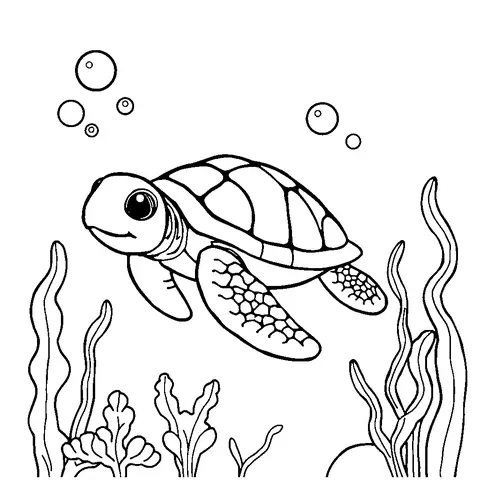
- Praise effort, not neatness. "You worked so hard on that turtle!" means more than "You stayed in the lines."
- Keep sessions short. Five to fifteen minutes is plenty for young children. Stop while it is still fun.
Beyond the coloring page
Coloring is just one way to build fine motor skills. Mix it with other hand activities: play dough, building blocks, stringing beads, cutting with child-safe scissors, peeling stickers and doing puzzles. Everyday jobs like pouring water, sorting socks or zipping a jacket count too.
When to talk to someone
Children develop at different speeds. If your child seems to avoid hand activities, gets very frustrated holding crayons, or seems far behind other children their age, mention it to your pediatrician. An occupational therapist can help if extra support is needed.
Find the right pages
Our free coloring pages include simple designs with big shapes for little hands and detailed ones for older kids. Not sure where to start? Read coloring by age, from toddler to teen, or let your child make their own page about something they love, which is the best motivation of all.