For parents & teachers
Coloring by Age: What to Expect from Toddlers to Teens
What coloring looks like at every age, from a toddler’s first scribbles to a teen’s detailed shading, with the best pages and tools for each stage.
Coloring changes a lot as children grow. A two-year-old grabs a crayon in a fist and makes big happy scribbles. A ten-year-old might spend half an hour shading a koi fish. Knowing what is normal at each stage helps you choose pages that feel fun instead of frustrating, and helps you cheer on the right things.
Every child is different, so treat the ages below as rough guides, not rules.
Toddlers (about 1 to 3 years)
What it looks like: scribbles, dots and back-and-forth lines. Toddlers often hold a crayon in their whole fist. Coloring "inside the lines" is not a goal yet, and that is completely fine. They are learning that their hand movements make marks, which is a big deal.
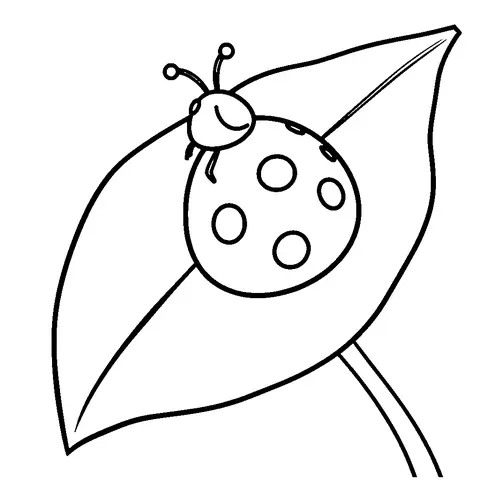
Best pages: one big object with thick lines and no background, like our ladybug on a leaf, ice cream cone or bunny with carrots.
Best tools: jumbo crayons or chunky washable markers. Tape the page to the table so it doesn’t slide. Always supervise, since little ones still put things in their mouths. Look for art supplies with the AP (Approved Product) seal from the Art and Creative Materials Institute, which ACMI recommends checking for on products for children in sixth grade or younger.
What to praise: "You used so much red!" or "Look how big that line is!" Talk about the colors and the marks, not about neatness.
Preschoolers (about 3 to 5 years)
What it looks like: by around age 4, many children hold a crayon between their fingers and thumb instead of in a fist. The CDC lists this as a typical milestone for 4-year-olds, along with drawing a person with three or more body parts. Kids begin to color in one area at a time and may try to stay near the lines.
Best pages: simple animals and objects with a few big parts, like the puppy with a ball, the ducks on the pond or our bubble letter pages.
Best tools: regular crayons, washable markers and triangle-shaped crayons that help with grip.
Learning extras: name colors together, count things on the page, and say letter sounds while coloring letters.
Early elementary (about 5 to 8 years)
What it looks like: more control and more plans. Kids this age often choose "real" colors on purpose (a green frog, a blue sky) and start to care about staying inside the lines. Many begin to enjoy colored pencils.
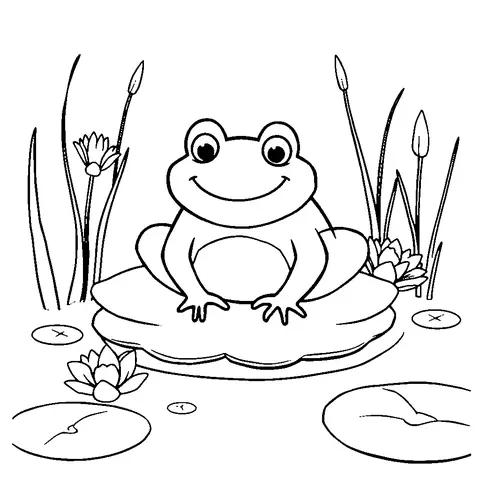
Best pages: scenes with a main character and a simple background, like the frog on a lily pad, rocket ship or friendly scarecrow.
Best tools: colored pencils, crayons, washable markers and gel pens for sparkle.
Learning extras: each of our free pages has fun facts, new words and an activity idea, so coloring can turn into a mini science or reading lesson.
Older kids (about 8 to 12 years)
What it looks like: patience for detail, blending two colors, and shading one side of an object darker. Some kids this age love coloring; others feel they have "outgrown" it. Detailed pages and a bit of challenge can win them back.
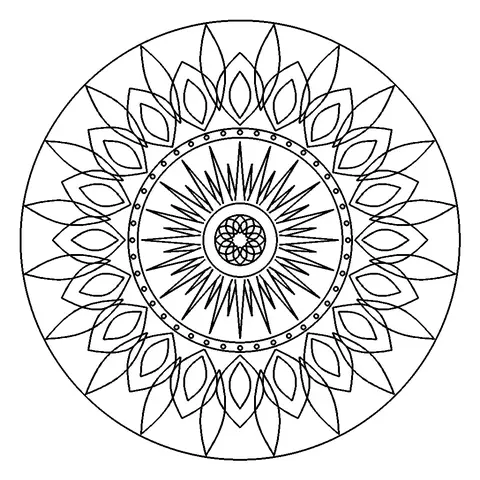
Best pages: the koi fish pond, cardinal in the snow, the corn and sunflower harvest and our simpler mandalas.
Best tools: a good set of colored pencils with a sharpener, fine-tip markers, gel pens and watercolor pencils. Our supply guides explain what each one is good at.
Try this: challenge them to color the same page twice, once in "real" colors and once in "wild" colors, and compare.
Teens (13 and up)
What it looks like: anything from careful shading to bold graphic designs. Many teens use coloring as a way to wind down from homework and screens.
Best pages: detailed mandalas such as the lace mandala, the Star of David mandala, and pages they describe themselves. Teens 13 and older can type their own ideas into our page maker, for example "a cozy reading nook with plants and a sleeping cat."
Best tools: artist-grade colored pencils, fine-liners and, for older teens with good ventilation and a scrap sheet underneath, alcohol markers.
Signs a page is the wrong level
- Too hard: your child gives up quickly, gets upset about mistakes, or only colors one tiny corner. Try a page with bigger shapes.
- Too easy: they finish in two minutes and look bored. Offer a page with more detail or add a challenge, like "use only three colors."
A note about "staying inside the lines"
Neat coloring is a skill that grows with time. For young children, the joy of making marks matters more than the result. Gentle tips, like "Let’s slow down near the edge," help more than corrections. And remember: some of the best coloring pages in the world have a few happy scribbles outside the lines.