For parents & teachers
Why Coloring Helps Kids Calm Down (and What the Research Really Says)
Can coloring really help a worried or wound-up child settle down? A simple look at the research on coloring and anxiety, plus easy ways to use coloring as a calm-down tool at home.
Almost every parent has seen it. A child who was bouncing off the walls a minute ago sits down with a coloring page and a few crayons, and the room gets quiet. Shoulders drop. Breathing slows. Ten minutes later, the same child is ready to talk, eat dinner or go to bed.
Is that just a nice moment, or is something real going on? In this article we look at what researchers have actually found about coloring and calm, where the evidence is strong, where it is weaker than the headlines suggest, and how you can use coloring as a gentle calm-down tool at home or in class.
What the studies found
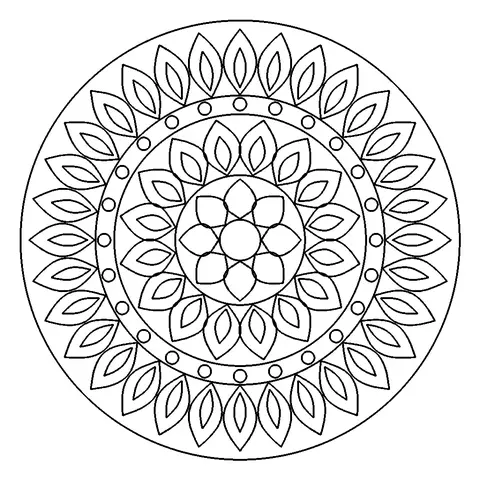
One of the best-known studies was published in 2005 by Nancy Curry and Tim Kasser at Knox College. They first made 84 college students feel a little anxious with a short writing task. Then the students were split into three groups for 20 minutes: one colored a mandala (a round, repeating pattern), one colored a plaid pattern, and one colored on a blank sheet of paper. Anxiety went down the most in the two groups that colored a structured pattern. The blank-paper group improved less. The authors suggested that coloring "a reasonably complex geometric pattern" may help people slip into a calm, focused state.
A replication study in 2012 by Renée van der Vennet and Susan Serice tried the same idea and found that coloring a mandala lowered anxiety more than plaid or blank paper.
What about children? In 2015, researchers at McGill University (Carsley, Heath and Fajnerova) tested a coloring activity with 52 students in grades four to six, right before a spelling test. Children in both groups, those who colored a mandala and those who colored freely, reported less anxiety afterward. The mandala was not clearly better overall, but coloring in general helped.
Where the evidence is weaker
It is worth being honest here. A 2022 review that pooled eight studies with 578 adults found that coloring mandalas did not reduce anxiety significantly more than free drawing. The researchers also noticed that smaller studies tended to show bigger effects, which is a sign that early results may have been a bit too rosy.
So the fairest summary is this: coloring and drawing both seem to help people feel calmer for a short while, but there is no magic shape or special page that works better than everything else. Coloring is also not a treatment for an anxiety disorder. If your child feels worried most days, talk with your pediatrician or school counselor.
Why coloring may help
Researchers are still working out the "why," but a few ideas come up again and again:
- It gives the mind one small job. Choosing a color and staying inside a shape takes just enough attention to push busy thoughts aside.
- It is predictable. There is no wrong answer and no timer. For a child who feels out of control, a page with clear lines is something they can control.
- The hands are busy. Repetitive movements, like shading back and forth, can feel soothing, a bit like rocking or humming.
- It is quiet together-time. Coloring next to a grown-up lets a child feel close without having to talk about big feelings right away.
How to use coloring as a calm-down tool
1. Make a calm-down kit
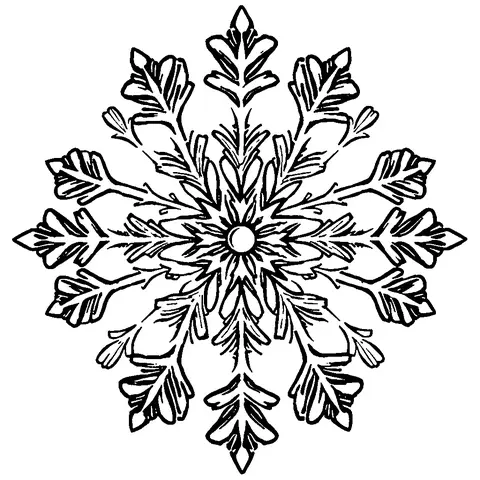
Keep a folder with a few printed pages and a small box of crayons or colored pencils in an easy-to-reach spot. When feelings run high, your child knows exactly where to go. Our mandala pages and the detailed snowflake page are good for older kids. For little ones, simple pages like the bunny with carrots work better, because a page that is too hard can cause more frustration.
2. Offer, don’t order
"Would you like to color with me for a bit?" works better than "Go color and calm down." Coloring should feel like a choice, not a punishment.
3. Pair it with slow breathing
Try "color and breathe": breathe in while you color one stroke, breathe out on the next. Many kids find it easier to slow their breathing when their hands have something to do.
4. Keep it short
The studies above used about 10 to 20 minutes of coloring. You don’t need to finish the page. Stopping halfway is fine.
5. Talk afterward, if they want to
Once your child is calmer, they may be ready to talk. A soft question like "What was the hard part of today?" often lands better after coloring than before.
Picking the right page
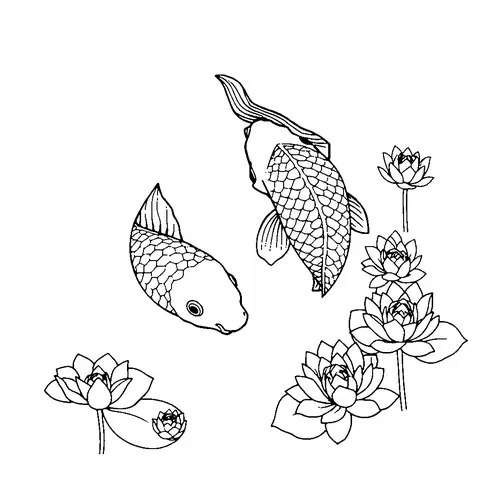
Match the page to your child, not to their age alone. A tired five-year-old may want the easiest page in the folder. An anxious ten-year-old might enjoy something more detailed, like the koi fish pond, because it holds their attention longer. See our guide to coloring by age for more help choosing.
You can also let your child make their own page with our page maker. Kids build a picture with buttons (no typing), so they can make "a panda in a garden" or "a dragon reading a book." Having a say in the picture can make it feel even more like their own calm spot.
The bottom line
Coloring will not fix every hard day, and the research does not support big promises. But it is a cheap, quiet, screen-free activity that many children and adults find calming, and small studies suggest it can lower anxious feelings for a short time. That makes it a great tool to keep in your parenting toolbox, right next to hugs, snacks and a good night’s sleep.
Sources
- Curry, N. A., & Kasser, T. (2005). Can coloring mandalas reduce anxiety? Art Therapy, 22(2), 81-85 (ERIC record)
- van der Vennet, R., & Serice, S. (2012). Can coloring mandalas reduce anxiety? A replication study. Art Therapy, 29(2)
- Carsley, D., Heath, N. L., & Fajnerova, S. (2015). Effectiveness of a classroom mindfulness coloring activity for test anxiety in children. Journal of Applied School Psychology, 31(3)
- The effect of mandala coloring on state anxiety: a systematic review and meta-analysis (2022). Art Therapy, 39(4)