For grown-ups
Coloring for Grown-Ups: A Simple Way to Unwind After a Long Day
This article has paid links. If you buy through them we may earn a small commission, at no extra cost to you. As an Amazon Associate I earn from qualifying purchases. Learn more.
Why so many adults color to de-stress, what the research says (honestly), how to start, and the supplies that make detailed pages more enjoyable.
Coloring isn’t just for kids. Adult coloring books became a huge trend in the mid-2010s, and many people still keep a book and a pencil case on the nightstand. If you’re looking for a quiet, low-cost way to unwind that doesn’t involve a screen, coloring is worth a try. Here’s what the research says, how to start, and which supplies help.
What the research says
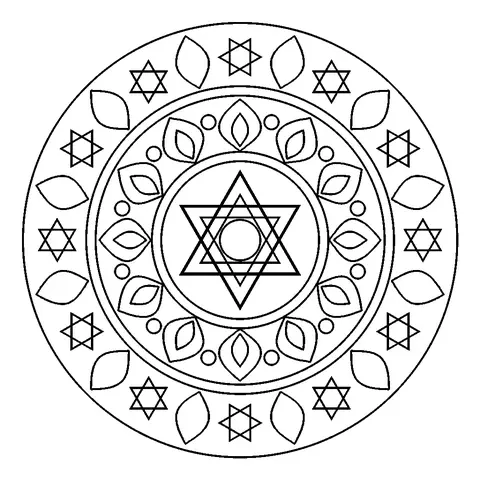
The most cited study is from 2005. Psychologists Nancy Curry and Tim Kasser made 84 college students feel a bit anxious, then had them color for 20 minutes. Those who colored a mandala or a plaid pattern became less anxious than those who colored freely on blank paper. A 2012 replication by van der Vennet and Serice also found that mandala coloring lowered anxiety more than the other options.
The full picture is more modest. A 2022 review that combined eight studies of adults found that coloring mandalas did not reduce anxiety significantly more than free drawing, and that smaller studies tended to report bigger effects. In other words: coloring and drawing both seem to help people feel calmer for a while, but no single design is magic.
It’s also important to say what coloring is not. It is not therapy and not a treatment for anxiety or depression. If stress is affecting your sleep, work or relationships, talk with a doctor or a licensed therapist. Coloring can be a pleasant part of your routine alongside real support.
Why it feels good
- Single-tasking. Choosing colors and filling small spaces asks for gentle attention, which leaves less room for worry.
- A finish line. Unlike work email, a coloring page can actually be finished.
- No skill required. The lines are already there. You get the fun of making something beautiful without the pressure of a blank page.
- It’s off-screen. Coloring before bed is a nice swap for scrolling.
How to start (in 10 minutes)
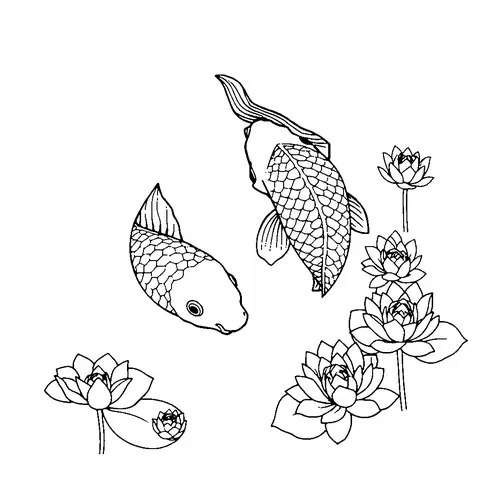
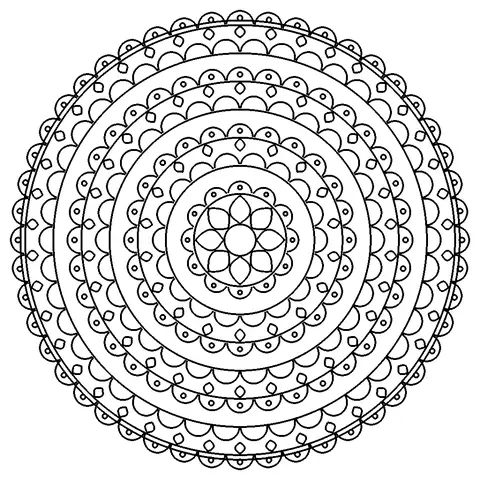
- Pick a page that matches your mood. Tired? Choose something simple. Restless? Choose something detailed, like our lace mandala or the koi pond.
- Choose a small palette. Three to five colors that go together look calm and polished. Try blues and greens, or warm sunset tones.
- Start in the center and work outward on a mandala, one ring at a time.
- Set a gentle timer for 15 to 20 minutes, the same length as many of the studies. Stop when it rings, or keep going if you’re enjoying it.
- Notice your breath. If your shoulders are up near your ears, let them drop.
Supplies that make detailed pages easier
You can color with anything, but good tools make small spaces much more enjoyable. Our supply guides go deeper. A few well-known starting points:
- Artist colored pencils blend smoothly and layer well: Prismacolor Premier colored pencilsPaid link (soft and creamy) or Faber-Castell PolychromosPaid link (oil-based, stays sharp).
- Fine-liner pens are great for tiny spaces and crisp edges: Staedtler triplus finelinersPaid link.
- A good sharpener matters more than you’d think: colored pencil sharpenersPaid link.
- Thicker paper if you use markers, so ink doesn’t bleed: white cardstockPaid link.
We have not tested every product. These are well-known options to start your search; check the product page for details.
Simple techniques that make pages look great
- Light layers first. With colored pencils, press gently and build color in two or three layers. It looks smoother and richer than one heavy layer.
- Light to dark. Color the lightest colors first. It is easy to darken an area and hard to make it lighter.
- Pick a light source. Imagine light coming from one corner, and shade the opposite side of each shape a little darker. Even simple pages suddenly look three-dimensional.
- Leave some white. A small unshaded spot on a round object, like an ornament or a koi scale, looks like a shine.
- Use a scrap page to test colors before you commit, especially with markers.
Ways to make it a habit
- Keep a kit within reach. A pencil case and a folder of printed pages by the couch or bed removes friction.
- Pair it with something you already do, like your evening tea or a podcast.
- Color with others. A coloring night with friends or family is relaxed and social, and there’s no pressure to talk the whole time.
- Color with your kids. They’ll love that you’re doing "their" activity, and you get a calm break too. Our article on kids and calm has ideas.
Make your own pages
Want something that’s exactly your style? Describe it in our page maker, for example "a mandala made of leaves and flowers" or "a cozy reading nook with plants and a sleeping cat," and get a printable page in seconds. You can also color right on your phone or tablet in our online studio. One new page a day is free, with no sign-up (any plan removes the small watermark).
Whatever you choose, the goal isn’t a perfect page. It’s twenty quiet minutes that belong to you.
Sources
- Curry, N. A., & Kasser, T. (2005). Can coloring mandalas reduce anxiety? Art Therapy, 22(2), 81-85 (ERIC record)
- van der Vennet, R., & Serice, S. (2012). Can coloring mandalas reduce anxiety? A replication study. Art Therapy, 29(2)
- The effect of mandala coloring on state anxiety: a systematic review and meta-analysis (2022). Art Therapy, 39(4)