For parents & teachers
Coloring in the Classroom: 12 Ways Teachers Can Use Coloring Pages
Practical ways teachers use coloring pages for morning work, calm transitions, vocabulary, math and holidays, plus tips for printing and classroom rules.
Coloring pages have a place in the classroom that goes far beyond "early finisher" busywork. Used with a plan, a single page can calm a noisy room, practice fine motor skills, start a writing lesson or open a conversation about a holiday. Here are twelve ideas teachers can try this week, all with our free printable pages, which may be used freely in classrooms.
For calm and focus
1. Calm-down corner
Keep a folder of printed pages and a cup of crayons in your calm corner. A student who needs a break can color for five minutes and then rejoin the group. Simpler pages work best here, since frustration is the opposite of the goal.
2. Before a test
A 2015 McGill University study gave 52 students in grades four to six a short coloring activity right before a spelling test. Students who colored a mandala and students who colored freely both reported less anxiety afterward. A few minutes of quiet coloring before a quiz is a low-cost thing to try.
3. Smooth transitions
Coming in from recess or lunch is often the loudest moment of the day. Put a page on each desk with soft music playing for the first five minutes. It gives everyone a calm landing spot.
For literacy
4. Letter of the week
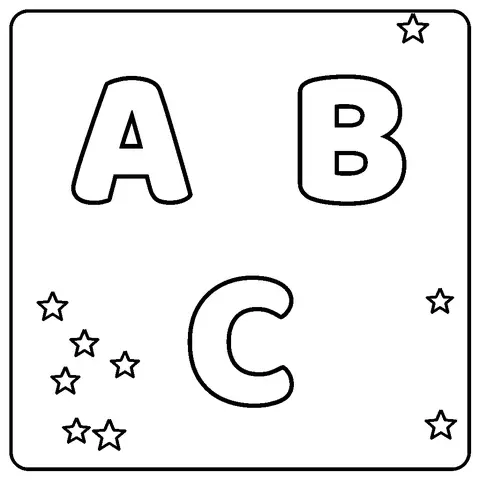
Our bubble letter pages have big, open letters. Students color the letter, then draw three things that start with it in the empty space.
5. Vocabulary pages
Every free page on our site includes a short "Words to learn" list. For example, the frog on a lily pad teaches amphibian, tadpole and cattail. Color first, then use the words in a sentence.
6. Story starters
Hand out the same page to everyone and ask: "What happens next?" Students color, then write three sentences (or for younger grades, dictate one) about the picture. You will be surprised how different the stories are.
For math and science
7. Count and compare
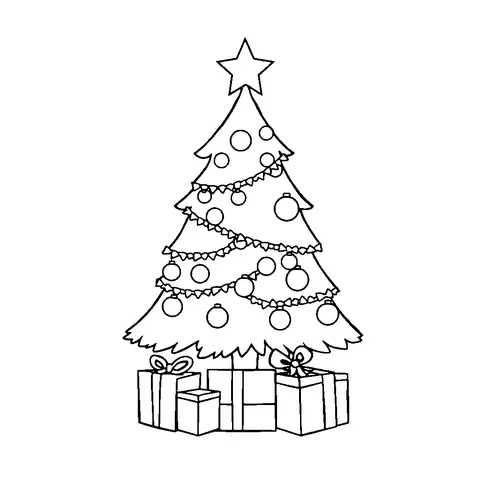
Busy pages are great for counting. How many pumpkins are on the pumpkins and fall leaves page? Which is bigger, the number of ornaments or presents on the Christmas tree?
8. Fractions with food
Use the pizza or pumpkin pie page to draw cuts for halves, quarters and eighths, then color the fractions you call out.
9. Seasons and life cycles
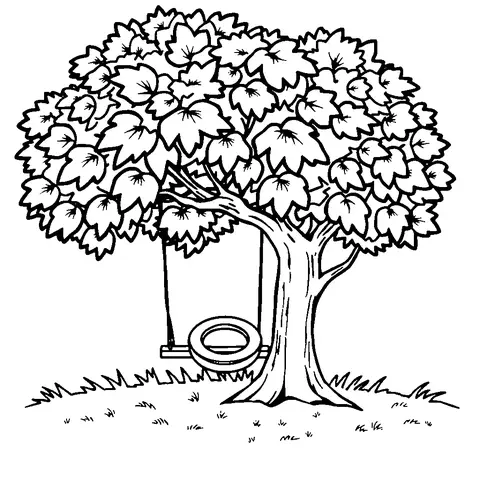
Print the big tree four times and have students color it for spring, summer, fall and winter. Or pair the frog page with a lesson on how tadpoles become frogs.
For holidays and culture
10. Learn about many holidays
Coloring is a gentle way to learn about traditions in your class community. Our Thanksgiving, Chanukah, Christmas and winter sets each come with true fun facts written for kids. For example, the dreidel letters page names all four Hebrew letters and explains the game. Always keep holiday activities optional and respectful of every family.
For fine motor skills
11. Grip and control practice
Coloring builds the small hand muscles children need for writing. The CDC lists holding a crayon or pencil between fingers and thumb (not a fist) as a milestone most children reach by age 4. For students who are still working on grip, short crayons or triangle crayons help, and pages with big shapes reduce frustration.
12. Make a class book
Give each student a different page from one category, like animals. Each student colors theirs and writes one fact about their animal from the page. Bind them together into a class book for your library corner.
Differentiation made easy
Our pages are labeled Toddler, Easy, Medium, Detailed and Adult, which makes it simple to offer the same subject at different levels. A student who struggles with fine motor control can color the snowman while a classmate who wants a challenge takes the detailed snowflake. Both are part of the same winter lesson, and nobody is singled out. For students who finish early, the "Try this" activity on each page (a counting task, talk-about questions or a story starter) extends the work without new prep.
Printing tips
- Print in black and white on regular copy paper. Our pages are pure black lines on white, so they use very little ink.
- Check the size. The pages are square. Choose "fit to page" in your print settings so nothing is cut off.
- Thicker paper for markers. Cardstock stops marker ink from bleeding through.
Classroom rules that help
- "Coloring time is quiet time" (soft music is fine).
- Caps back on markers right away.
- It’s OK to color outside the lines, and it’s OK to not finish.
- Kind words only about other people’s art.
A note on making new pages
Teachers can make custom pages with our page maker, for example "a volcano erupting next to palm trees" for a science unit. The typing box is for people 13 and older; younger students can use the picture-button builder, which never asks for any personal information. Read more in how to use AI coloring pages safely.